Less waste through Data: How Digital insights can make true waste prevention possible
Many companies still approach waste management with a primary focus on emptying: When is the next collection? How often? How much effort is required?
The biggest opportunities for reducing costs and boosting sustainability aren’t found at the end of the process - they start long before that: with waste prevention. sed strategically, digital smart waste solutions can both improve emptying efficiency and significantly cut the amount of waste companies produce. This marks the start of a long-overdue strategic shift in many organizations.
Waste prevention is not just an environmental issue. It lowers emptying costs, reduces material resources, and supports ESG objectives. What was once almost impossible to control has become visible - thanks to sensors, data analytics, and digital dashboards: How much waste is generated and where? What types of waste dominate? And most importantly, where exactly do reduction opportunities exist?
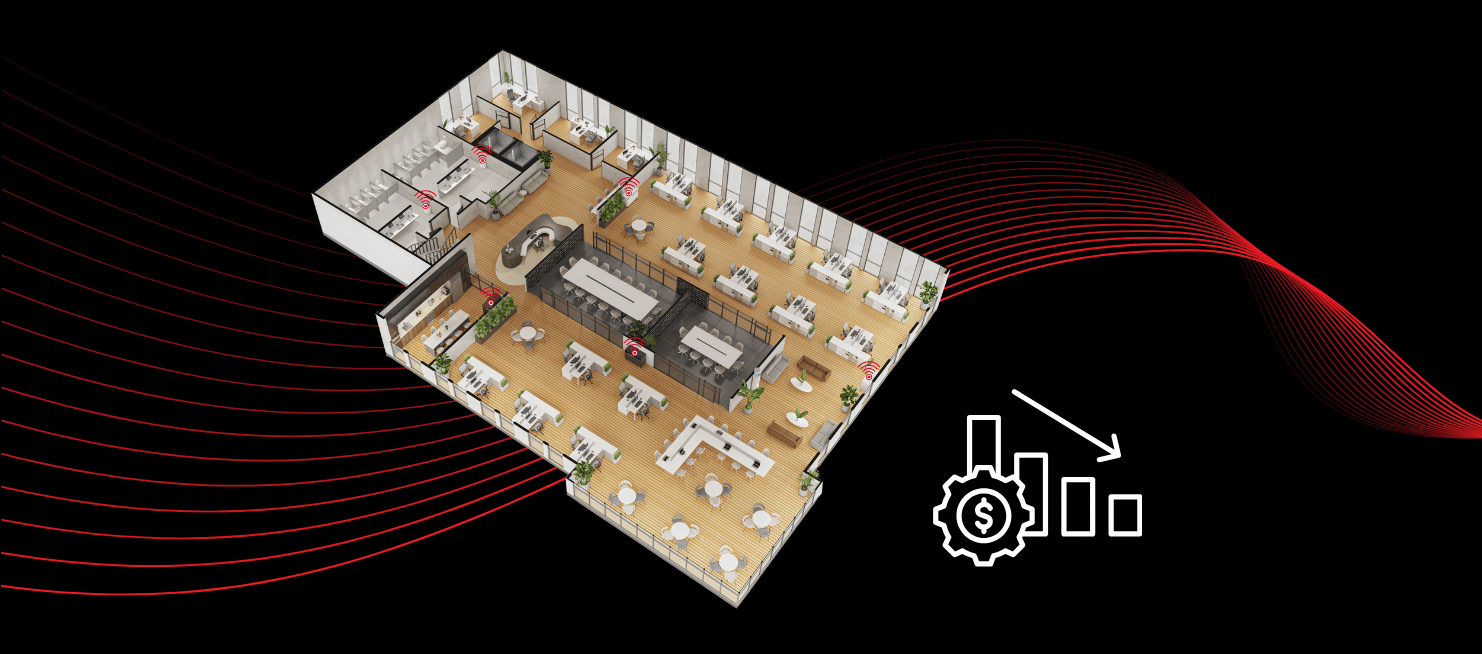
Digital fill-level sensors provide a new level of insight. Besides the fill-level, they reveal long-term patterns and trends. For example, data may show whether too many disposable packages are discarded in specific areas, whether recyclables are being thrown away incorrectly, or whether production processes are creating unnecessary waste. These insights often reveal patterns that might otherwise stay hidden, from spikes in waste volumes after events to seasonal trends and high-traffic hotspots in offices and meeting spaces.
The role of the smart waste dashboard is becoming increasingly important. It allows companies not only to monitor waste streams but to actively manage them. If large quantities of paper waste are recorded, workflows can shift toward digital processes. When excessive packaging waste shows up in the data, organizations can rethink supplier agreements or roll out internal policies that promote reusable alternatives. And because the decisions are data-driven, their effectiveness can be tracked and clearly demonstrated.
Digital insights can help companies identify key steps such as:
- Optimizing internal processes: e.g., reducing disposable packages or improving ordering efficiency
- Improving waste separation: less residual waste through clearer structures and targeted feedback
- Adjusting suppliers and packaging: switching to reusable or bulk delivery options
- Raising employee awareness: data-driven feedback supports motivation and mindfulness
- Eliminating unnecessary emptying cycles: less collections and emissions
Waste prevention is particularly effective when integrated into corporate culture. Employees tend to respond positively to transparent feedback. When departments can regularly see how much they’ve reduced their waste volumes or improved recycling rates, it supports healthy competition, and, more importantly, a new sense of awareness. The link between daily behavior and measurable outcomes becomes tangible.
Smart waste data also enables more sustainable supply chains. Companies can identify which products generate the most waste and demand alternatives or consolidate deliveries. In production environments, the data can show where material waste occurs or whether machines are producing excessive scrap. Waste prevention thus becomes an integral part of quality and process optimization.
Another key advantage lies in ESG documentation. Companies are increasingly required to demonstrate how they prevent waste and use resources efficiently. Digital waste data provides a reliable, quantifiable basis for this reporting, making waste prevention a relevant topic in sustainability reports and certifications.
For the first time, digital data empowers companies not just to manage waste more efficiently, but to actively prevent it. Those who understand their waste streams can improve processes, lower costs, and operate more sustainably. Instead of simply reacting to full bins, organizations can build proactive resource management that delivers both ecological and economic value.
Waste prevention remains one of the most overlooked but most powerful drivers of modern sustainability. Digital smart waste solutions turn it into something measurable, manageable, and easy to demonstrate.