Waste as a Quality Indicator: What Production Waste Reveals About Process Stability
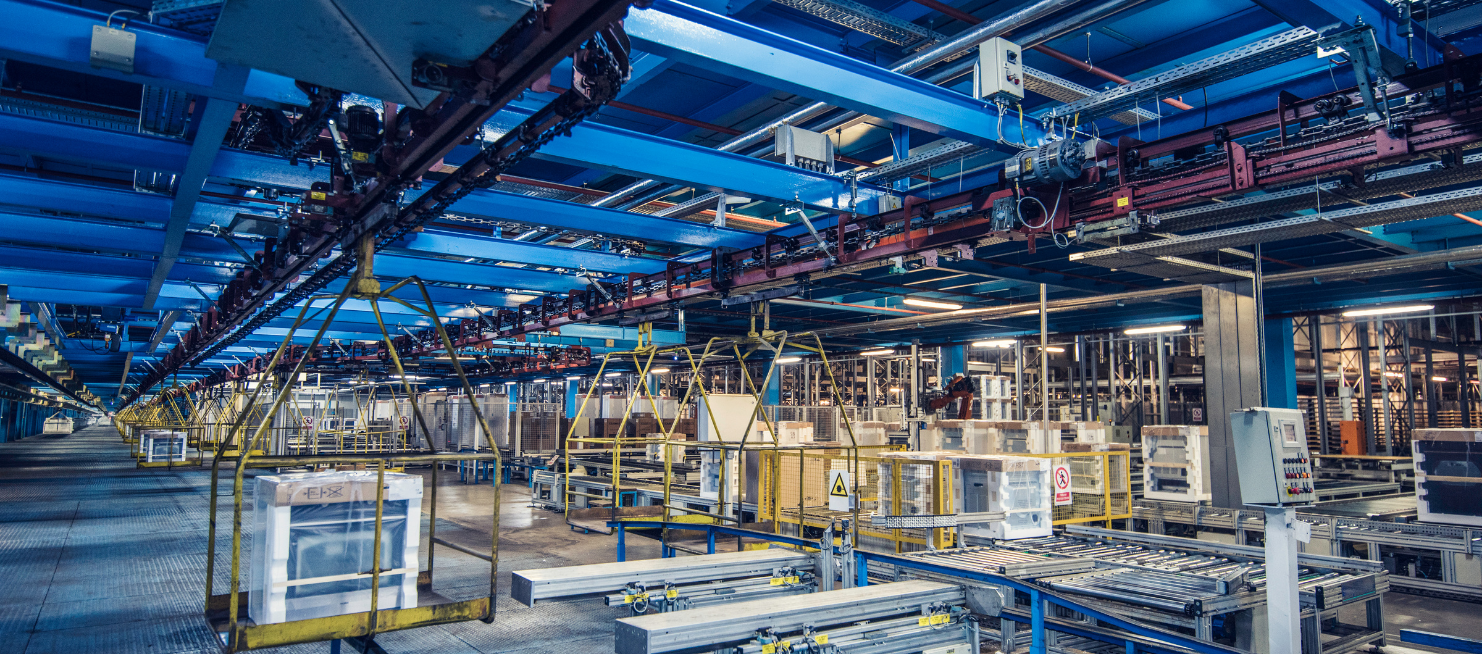
In industrial manufacturing, one principle applies: anything that cannot be sold generates costs. Scrap, offcuts, defective parts, and rework directly impact efficiency, margins, and competitiveness. While production metrics such as OEE, scrap rates, and downtime are closely monitored, one indicator is often overlooked: the volume of waste generated within the production facility.
Yet digital smart waste systems provide valuable insights into how stable and efficient production processes truly are.
Waste as a Signal
Waste in manufacturing does not occur randomly. Material remnants, packaging waste, scrap, and process residues directly reflect how processes are functioning. A sudden increase in production waste can indicate quality issues, machine deviations, or incorrect parameter settings.
Digital fill-level sensors installed in waste containers make these developments visible. They continuously track when and how quickly specific containers fill up. Combined with time stamps and location data, this creates a precise picture of waste generation by production line, hall, or shift.
Instead of reacting only when containers overflow, companies can use waste patterns as an early warning indicator of process deviations.
From Scrap Volume to Process Analysis
Consider a typical scenario: in a metal component production line, the volume of offcuts rises significantly within a few days. Without data-driven analysis, this often goes unnoticed as long as production continues. However, a digital waste management system reveals that the relevant container is filling faster than usual.
Possible root causes may include:
- Tool wear
- Incorrect machine settings
- Material inconsistencies
Waste thus becomes an additional performance indicator that complements traditional production data. While OEE and scrap rates measure outcomes, waste analysis provides insight into spatial and temporal correlations within the facility.
Waste as Part of Continuous Improvement
In lean production environments, waste reduction is a central objective. Production waste is one visible manifestation of inefficiency. However, only through digital monitoring does it become measurable, comparable, and systematically analyzable.
Digital waste data supports:
- Identification of process instabilities
- Evaluation of optimization measures
- Monitoring of material efficiency
- Transparency across production lines
- Documentation for quality and environmental management
Waste management therefore evolves from a purely logistical task into an integral component of process optimization.
Integration into Quality and Environmental Management
Industrial companies are increasingly required to demonstrate compliance with quality and environmental standards. Digital waste data can play a critical role in this context.
When material losses, scrap volumes, and emptying cycles are transparently documented, companies gain a reliable foundation for:
- ISO 14001-compliant environmental reporting
- Internal quality audits
- Sustainability KPIs
- Efficiency reviews
By integrating sensor-based waste data with existing production or MES systems, organizations establish an end-to-end data foundation from raw material to waste container.
Production waste is more than a disposal issue. It is an indicator of process quality, material efficiency, and production stability. Digital waste management systems make these relationships visible and actionable.
Companies that analyze waste instead of merely disposing of it gain an additional control parameter for their manufacturing operations. Smart waste thus becomes a strategic tool in industrial facility management and a key building block in modern Industry 4.0 environments.